
 A daily walk on the same path might sound boring—but it can become one of the most grounding, observant, and restorative habits of your life.

Forest Bathing Without the Buzzwords: A Beginner's Guide to Walking in Nature
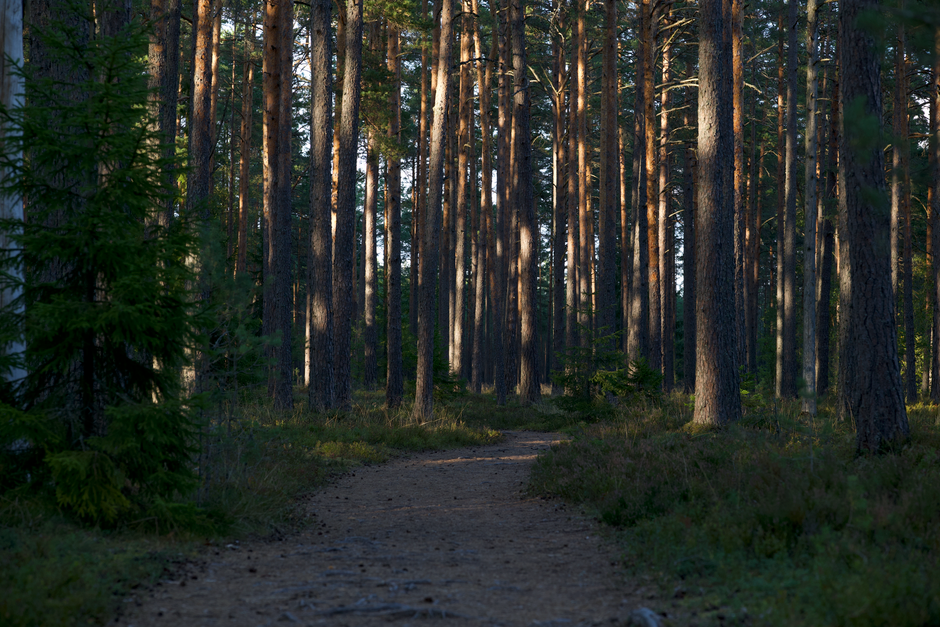
The term forest bathing has become one of those wellness phrases that either intrigues you or makes you roll your eyes, depending on your mood. It sounds like something requiring a certified instructor, a bamboo mat, and possibly a subscription. In reality, it describes something humans have done for most of our existence: walking slowly among trees and letting our senses widen. The Japanese call it shinrin-yoku, and the practice is less about technique than about permission—permission to be in a forest without a destination, a fitness goal, or a podcast playing in your ears.
If you've never tried it, the first thing to understand is that this is not hiking. Hiking is about covering ground. Forest bathing is about letting the ground cover you, in a manner of speaking. You move at perhaps half your normal walking speed. You stop often. You might go a quarter mile in an hour and consider that a success. The point is not distance but attention.
A Simple Way to Begin
Choose a wooded place you can reach without stress—a local park with mature trees works fine. Leave your headphones at home. Before you start walking, stand still for a minute or two and just let your eyes soften. Don't look at things yet; let the whole scene come in. Notice the quality of the light through the leaves. Notice what you can smell—damp earth, pine, the green sharpness of crushed leaves underfoot. Notice the temperature difference between sun and shade.
Then walk. Slowly. Let your attention drift wherever it wants: the texture of bark, a spiderweb catching the light, the sound of wind moving through different kinds of trees. If your mind starts planning dinner or replaying an argument, that's normal. Just return to whatever is in front of you. The forest is patient. It has been waiting for you to slow down for a very long time.
One of the quiet gifts of this practice is how it changes your relationship with time. In daily life, we measure minutes by what we accomplish in them. In a forest, time becomes something you inhabit rather than spend. Twenty minutes can feel like an hour, and an hour can feel like twenty minutes, depending on how deeply you sink into the present. Either way, you leave with something you didn't have when you arrived—a settled quality in your body, a slight quieting of the mental chatter.
Bringing the Forest Home With You
The effects of a slow walk among trees tend to linger. You might notice, hours later, that you're breathing more deeply than usual, or that a problem you were stuck on has quietly loosened. This is why regular practice matters more than dramatic excursions. A weekly walk in the same small woodland can become a kind of relationship—you learn which trees leaf out first in spring, where the mushrooms appear after rain, which bench has the best view of the sunset. The forest stops being a backdrop and becomes a place you know.
You don't need to call it forest bathing if the phrase feels silly. Call it a slow walk. Call it nothing at all. The trees don't require a name for what happens under them. They only require that you show up, walk slowly, and let yourself be a creature among other creatures for a while. That's the whole practice. Everything else is commentary.