
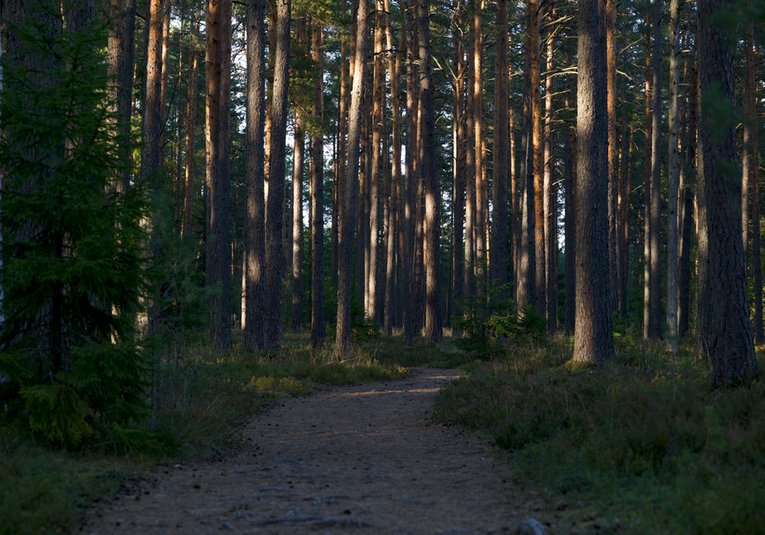
 Shinrin-yoku sounds exotic, but at its heart it's simply the practice of letting a forest do what forests have always done for wandering humans.
How to Stop Rushing: A Walker's Guide to Slowing Down
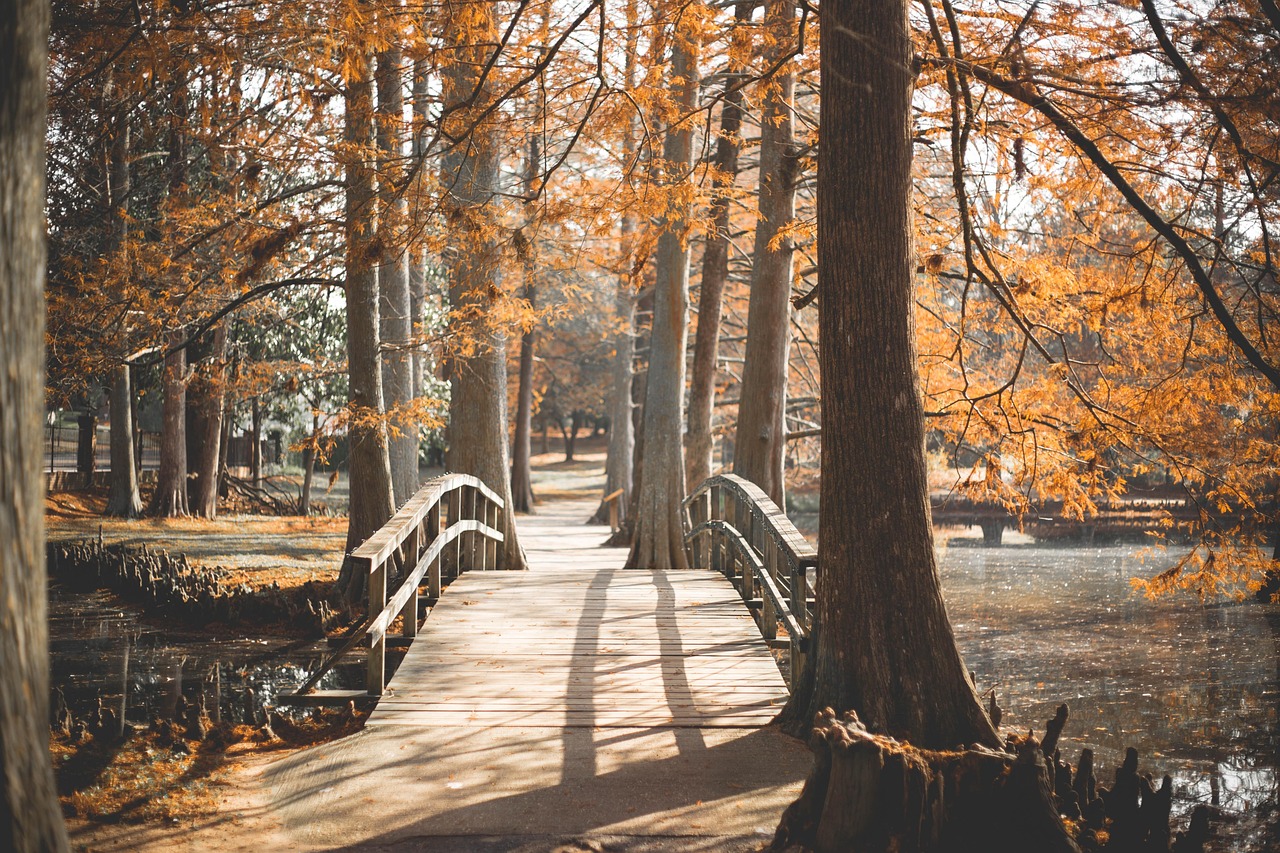
Notice how you walk to the bus stop. Or from your car to the grocery store entrance. There's a forward lean, a slight tension in the shoulders, a sense that the destination matters more than the journey. Most of us move through the world like this without ever deciding to. Rushing has become our default setting, and we rarely question it until our bodies start sending us signals: tight jaws, shallow breathing, a vague sense of being behind even when we're not.
Walking is one of the few things you can do that almost automatically reconnects you with your own pace. You cannot walk at someone else's speed for very long without feeling it. The practice is simple, but it isn't easy: walk slower than feels natural, and pay attention to what happens inside you when you do.
Why Slowing Down Feels So Uncomfortable
When you deliberately slow your walking pace, the first thing you might notice is resistance. A part of you wants to speed up, to get somewhere, to be productive. That resistance is worth observing rather than fighting. It often points to a deeper belief that rest is earned, that stillness is laziness, that your worth is tied to how much you accomplish.
Try this on your next walk: start at your normal pace, then reduce it by about half. Let your arms swing naturally. Feel the ground meet each foot. If your mind starts shouting about all the things you should be doing instead, just note it. You don't have to argue with it. You're not trying to win a debate with your own thoughts. You're simply practicing a different way of being in your body.
Many people find that after a few minutes of walking slowly, something shifts. The breath deepens without effort. The shoulders drop. The mind stops scanning for the next thing to worry about. This isn't magic—it's physiology. A slower pace signals safety to your nervous system. When your body believes it's safe, it stops bracing.
Making Slow Walking a Regular Practice
You don't need a special trail or an hour of free time. A ten-minute walk around your block can be enough. The key is intention. Before you step outside, decide that this walk is not about getting anywhere. It's about noticing. Notice the temperature of the air. Notice the sound of your feet. Notice the way your thoughts change when you're not trying to outrun them.
Some days will be harder than others. Some days you'll forget to slow down until you're halfway through. That's fine. The practice isn't about perfection. It's about returning. You return to your pace, you return to your breath, you return to the present moment. Each return is a small act of kindness toward yourself.
Over time, you might find that this slower way of walking starts to bleed into other parts of your life. You might catch yourself rushing through a meal and choose to slow down. You might notice tension in a conversation and take a breath before responding. The walk becomes a training ground for a calmer way of moving through the world.
There's no finish line here. No achievement to unlock. Just the ongoing practice of choosing your own pace in a world that constantly asks you to go faster. That choice, repeated over time, changes things.