
 When loss makes the world feel frozen, putting one foot in front of the other can be a quiet act of survival—and sometimes, of healing.

Walking Through Grief: How Movement Helps Us Carry What We Cannot Fix
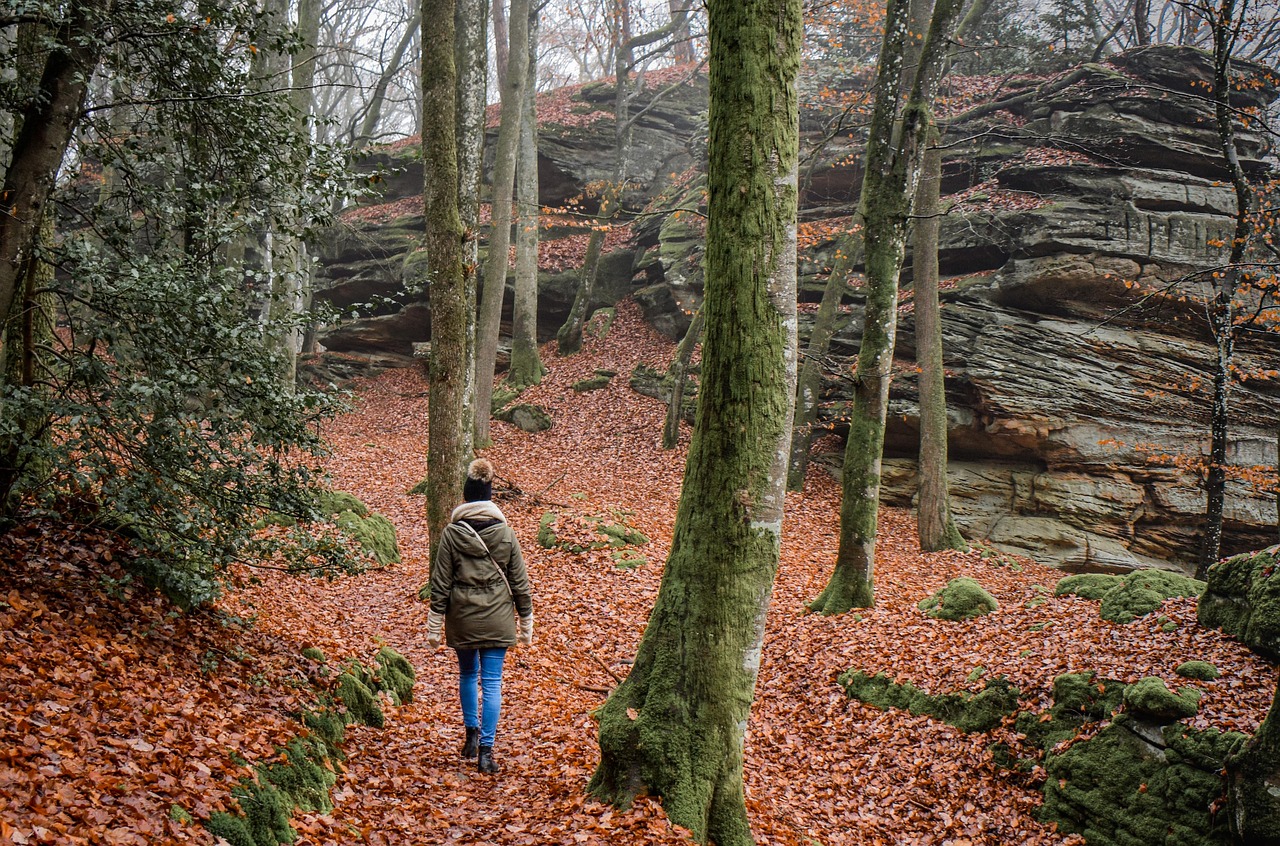
Grief is not a problem to be solved. Anyone who has lived through real loss knows this, even if the wider culture keeps insisting otherwise, offering stages and timelines and cheerful platitudes about closure. Grief is more like weather—it moves through you, changes shape, returns when you least expect it. And while nothing makes it disappear, some things help you carry it. Walking is one of them.
There is a reason so many grieving people find themselves outside, moving. When the mind is overwhelmed, the body can take over. Walking is rhythmic, repetitive, and undemanding—it doesn't ask you to think or speak or be okay. It only asks you to move. And movement, even the simplest kind, gives grief somewhere to go instead of circling endlessly in the same tight rooms of the mind.
Why Walking Helps When Words Don't
Grief often comes with a strange restlessness. You can't sit still, but you also can't focus on anything. The body seems to know something the mind hasn't caught up with: that sorrow needs to move. Walking gives that restlessness a direction. It doesn't erase the pain, but it lets the pain flow through you rather than pool inside you.
There's something else, too. Grief can make the world feel unreal, as if you're watching life through glass. Walking outdoors gently restores contact with the physical world. The cold air on your cheeks. The sound of your own footsteps. The smell of rain or cut grass or woodsmoke. These small sensory facts are anchors. They don't argue with your grief. They simply remind you that you are still here, still breathing, still part of a living world.
Many people find that walking is easier than sitting with grief because it doesn't demand anything. You don't have to feel better. You don't have to make progress. You just have to keep moving, at whatever pace feels possible. Some days that's a slow shuffle around the block. Other days it's a long, aimless wander. Both count.
Walking Alone, Walking Together
Some grief walks are best taken alone. There's a particular kind of honesty that comes when no one is watching—when you can cry if you need to, or talk out loud to someone who isn't there, or simply be silent without explaining yourself. If you can find a place where you feel safe being fully undone, walking there regularly can become a quiet ritual, a way of keeping company with your loss.
Other walks are better shared. Grief can be isolating, and sometimes the most healing thing is to walk beside someone who doesn't try to fix you. A friend who walks with you in silence. A support group that meets outdoors. A dog who is simply glad you're outside. The presence of another living being, whether human or animal, can hold space for sorrow in a way that words cannot.
If you're in the thick of grief right now, here is the only advice worth giving: put on your shoes. Step outside. Walk to the end of the street, or the end of the block, or just to the corner and back. You don't have to feel better afterward. You don't have to have learned anything. But you will have moved, and sometimes that small fact—that you moved, that you kept going—is enough to carry you to the next hour. And the next hour is where healing quietly begins.