
 In a world obsessed with steps and routes and optimization, there's radical freedom in walking with no destination at all.
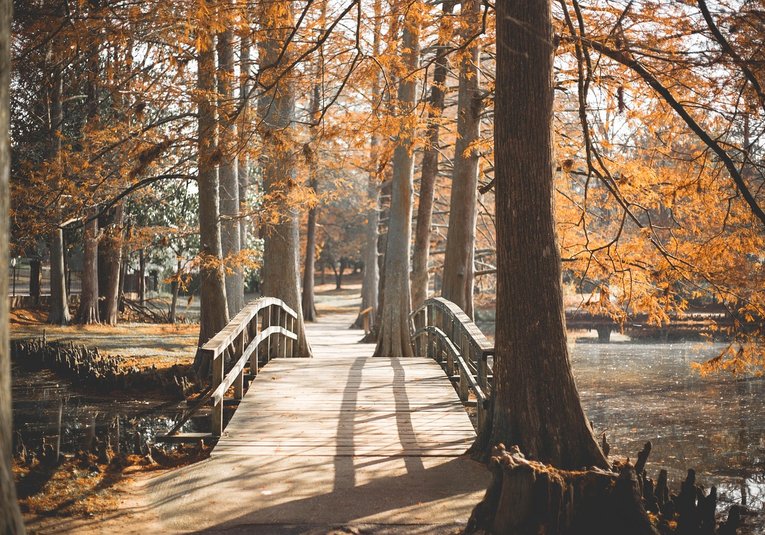
Walking With No Destination: A Practice in Letting Go
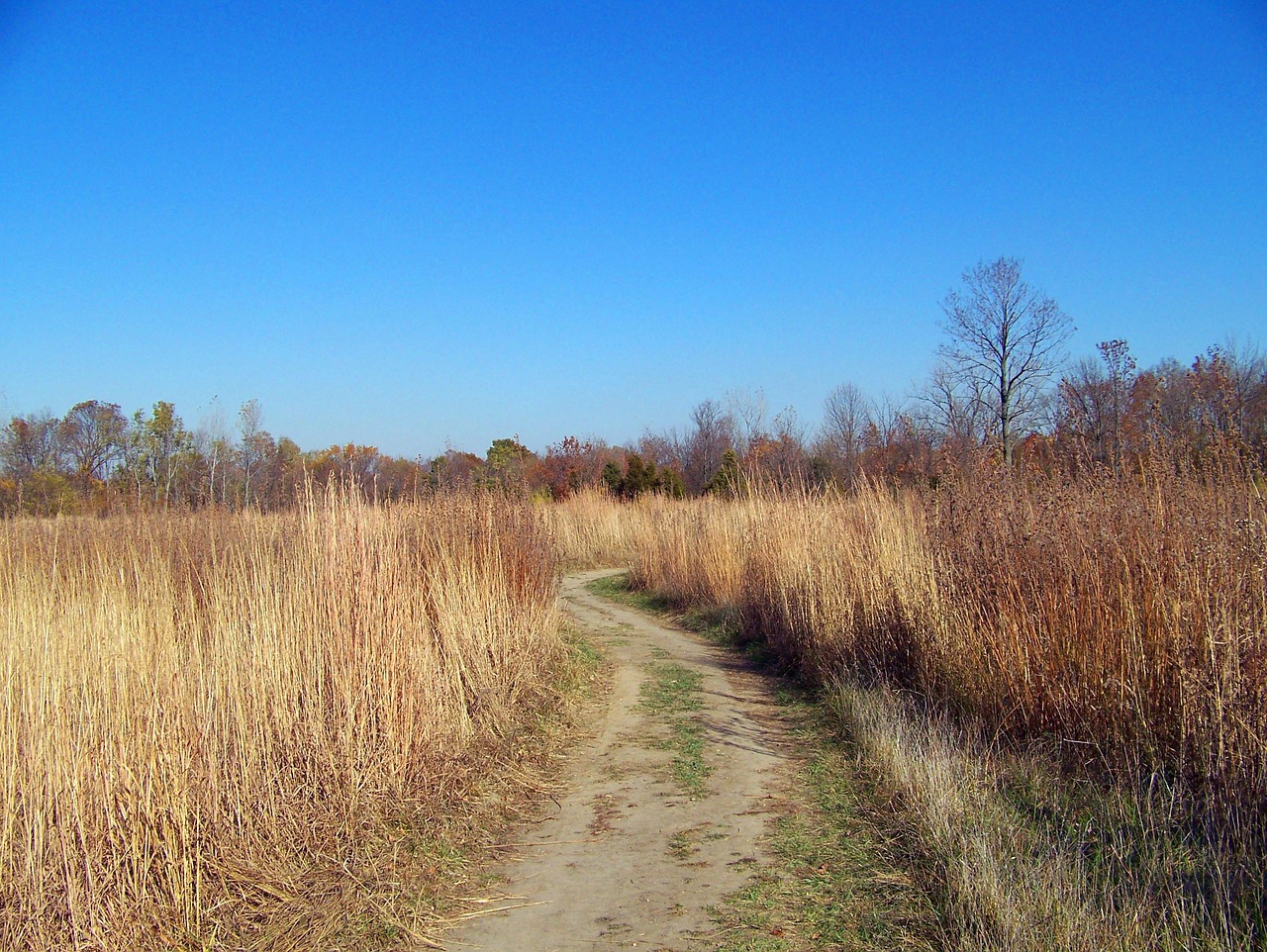
We are trained to walk with purpose. We walk to get to work, to the store, to the bus stop. We walk for exercise, counting steps and tracking miles. Even when we walk for pleasure, we often have a route in mind, a time frame, a destination. There's nothing wrong with this. But there's a different kind of walk available to us, one that asks us to let go of all of that.
Walking with no destination is a simple practice with profound effects. It's not about getting lost—though that can happen. It's about releasing the need to control where you're going and letting your body lead. It's a way of saying to yourself, just for a little while, that you don't have to know.
Why We Cling to Destinations
The need for a destination is often a need for certainty. We want to know where we're going because we want to feel in control. We want to know how long it will take because we want to manage our time. We want to know what to expect because uncertainty is uncomfortable.
But this need for control can become a trap. When every walk has a purpose, walking becomes another task to complete. The mind stays in planning mode. The body moves, but the spirit doesn't wander. We miss the unexpected things that happen when we're not trying to get anywhere.
Walking with no destination invites you to step out of that mindset. It's a small act of trust. You're trusting that you'll be okay even if you don't know exactly where you're going. You're trusting that the world will provide something interesting if you're open to it.
This doesn't mean you have to wander aimlessly for hours. You can set a time limit—thirty minutes, an hour—and still have no destination. You can stay in your own neighborhood and just take different turns than you usually would. The point is not the distance. The point is the attitude.
How to Practice Destinationless Walking
Start by choosing a time when you don't have anywhere to be. Leave your phone in your pocket. Don't turn on a map. Step outside and stand still for a moment. Notice which direction your body wants to go. It might not be the direction you'd normally choose. That's the point.
As you walk, let your curiosity guide you. What's down that street you've never explored? What's around that corner? If you see something interesting, go toward it. If you feel like turning around, turn around. There are no wrong moves.
This kind of walking can feel uncomfortable at first. The mind wants a plan. It wants to know how long this will take and what the point is. Let those thoughts come and go. You don't have to answer them. You're not doing this to be productive. You're doing it to remember what it feels like to be led by something other than obligation.
Over time, destinationless walking can become a practice in trust. You learn that you can handle not knowing. You learn that the world is full of small surprises. You learn that the best parts of a walk are often the ones you didn't plan.
And you might find that this trust starts to spill into other areas of your life. You might become a little more comfortable with uncertainty. A little more open to detours. A little more willing to let things unfold.