
 You don't need an hour on a forest trail to steady your mind—sometimes five mindful minutes around the block is enough to change the shape of your whole day.
The Art of the Aimless Walk: Why Wandering Is Good for Your Mind
Somewhere along the way, walking became a productivity metric. We count our steps, track our routes, chase personal bests. There's nothing wrong with any of that—movement is good, and goals can motivate. But there's a particular kind of walking that has almost disappeared from modern life: the aimless walk, the wander, the stroll with no purpose beyond itself. And it may be one of the most restorative things you can do for your mind.
An aimless walk is exactly what it sounds like. You leave your house without a route in mind. You turn when something catches your eye. You follow a street you've never noticed. You stop when you feel like stopping. There's no destination, no pace to maintain, no reason to be anywhere at any particular time. The only rule is that there are no rules.
What Happens When You Stop Trying to Get Somewhere
The first thing you notice on an aimless walk is how strange it feels. The mind, trained by years of efficiency, keeps trying to impose a plan. Where are we going? How long will this take? Shouldn't we turn around soon? Let those thoughts come and go. They're just the mental equivalent of a dog pulling on its leash. You don't have to obey them.
Once the mind settles, something interesting happens. Your attention widens. You start noticing things you'd normally walk right past—a garden you never knew was there, a cat sunning itself on a wall, a building with strange architectural details, a tree with a shape that looks almost human. The world becomes more textured, more alive. This isn't because the world changed. It's because you slowed down enough to actually see it.
Aimless walking also loosens the grip of problem-solving mode. When you're not trying to get anywhere, your brain stops trying to figure everything out. Thoughts drift in and out without demanding to be resolved. Sometimes a solution to something you've been stuck on will surface on its own, uninvited, the way it often does in the shower or just before sleep. But that's not the goal. The goal is simply to wander, and to let wandering do whatever it does.
Cultivating the Habit of Wandering
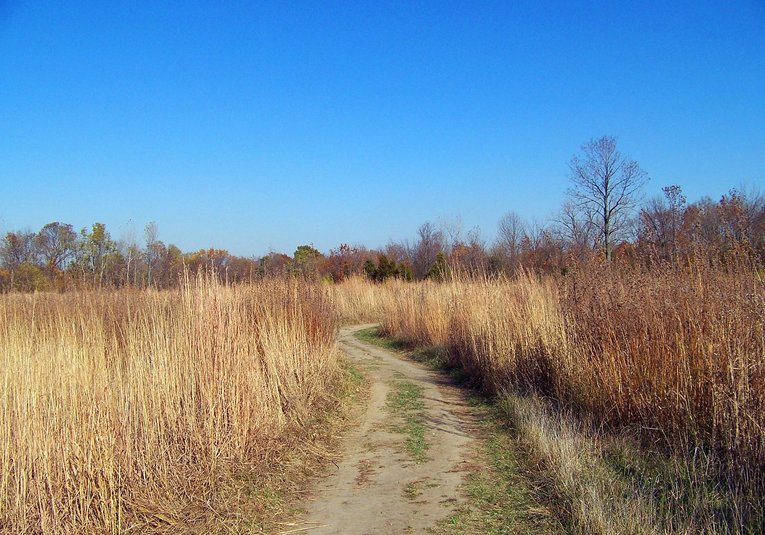
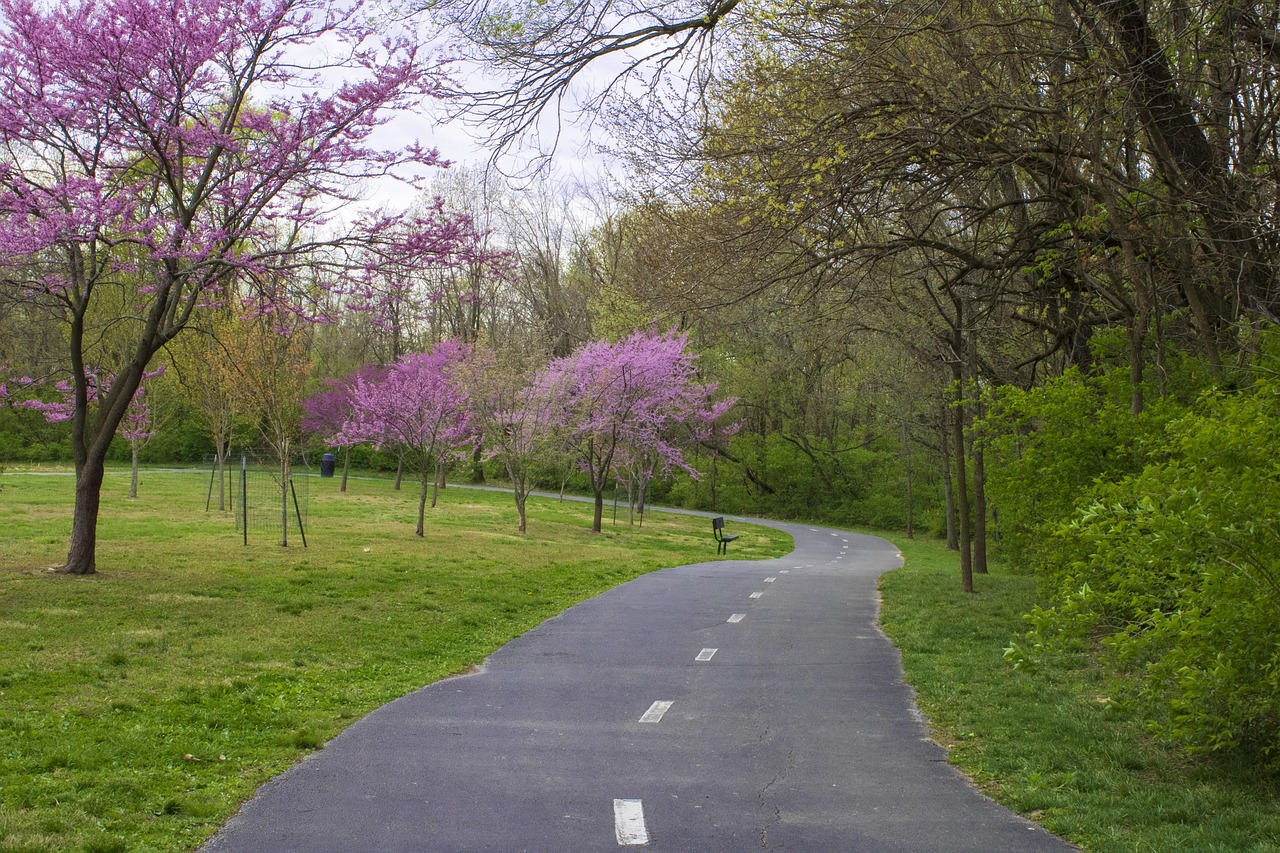
If aimless walking feels too unstructured at first, give yourself a loose container. Pick an hour. Pick a starting point. Then let everything else be open. If you live somewhere with interesting neighborhoods, wander through them. If you live near nature, follow a trail you've never taken. If you live in a suburb, walk the streets you always drive past. The point is not to go somewhere new—it's to see where you already are with new eyes.
Leave your phone in your pocket, or better, leave it at home. Bring nothing. Aimless walking is not compatible with checking messages or taking photos of everything. It's a practice of being present, not capturing. If you want to remember something, remember it the old way—by paying enough attention that it sticks.
Over time, aimless walking becomes a kind of meditation in motion. It teaches you to trust that you don't always need a plan, that not every hour needs to be productive, that there is value in simply moving through the world without purpose. In a culture that worships optimization, this is quietly subversive. It's also quietly healing. So the next time you have an hour to spare, don't plan a walk. Just take one. See where your feet decide to go.